
HEADLINE EXHIBITION
Located in the Old Town Hall above Glossop Market Hall, the main exhibition for Dark Peak Photo Festival '26 showcases a compelling array of established and emerging photographers exploring the theme of Identity. The works displayed reflect how the environments we grow up in and navigate shape our identities, capturing the personal and cultural imprints of our surroundings. Through street photography, experimental portraiture, and reflective, these artists reveal their unique perspectives, illustrating how identity is experienced, shaped, and communicated. We invite visitors to pause, reflect, and engage with photography as a window into people, place, and memory.
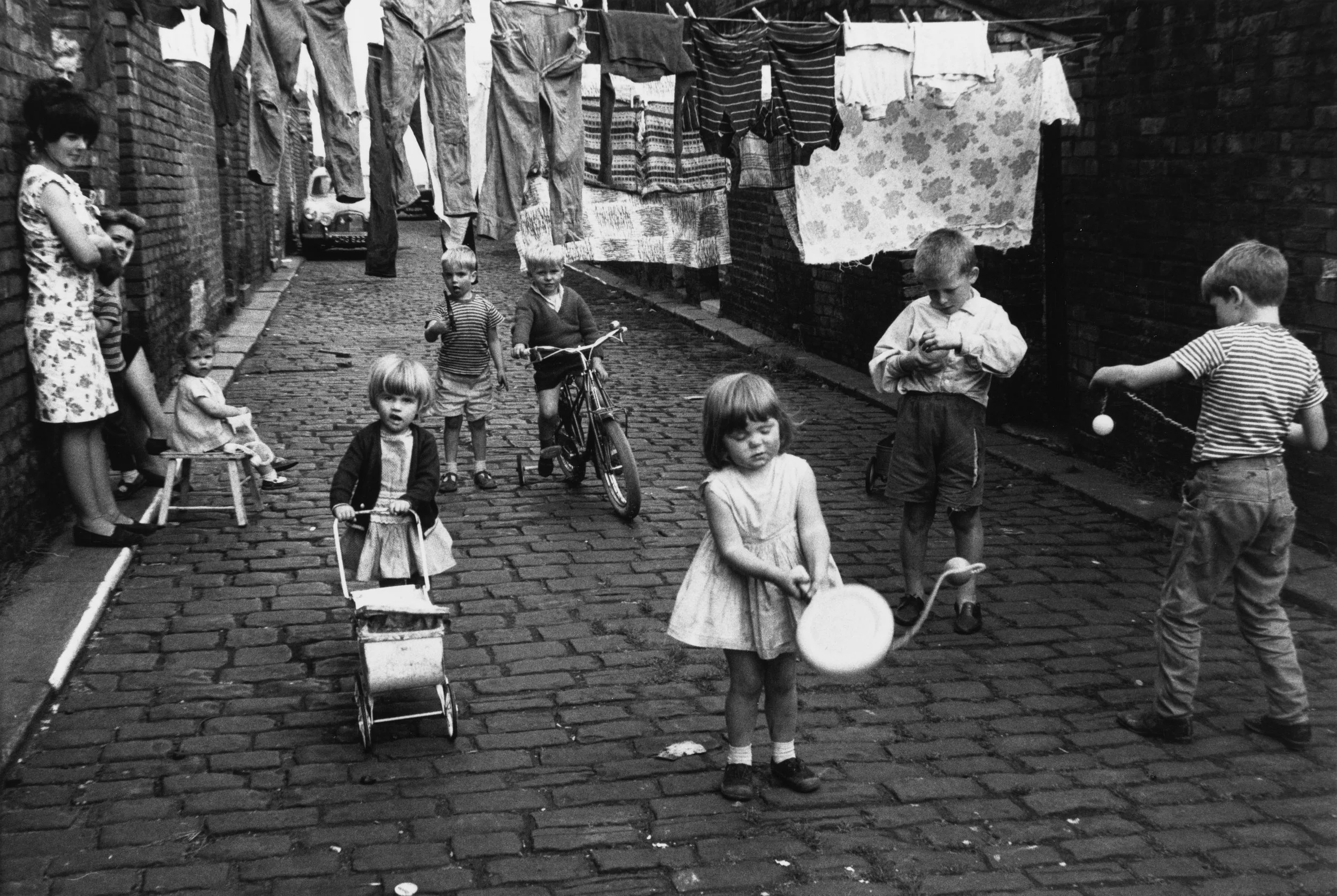
‘Childhood, Community, and Belonging’ - Shirley Baker
Dark Peak Photo Festival is honoured to present a selection of street photography by Shirley Baker, featuring children at play in the streets of Manchester and Salford in the 1960s. Taken during a period of dramatic change as post‑war slum clearances reshaped working‑class neighbourhoods Baker’s candid, unposed images capture everyday life with empathy, humour, and visual intelligence. Her photographs show children inventing games in alleys and pavements, mothers and neighbours gathered outdoors, and spontaneous moments of friendship and play against a backdrop of demolition and renewal. These scenes are not just historical documents; they bring to life the resilience, imagination, and spirit of communities in flux.
Shirley Baker was one of the few women practising street photography in post‑war Britain, and she remains a pioneering figure whose work opened doors for future generations of women photographers. Through her lens we see the places where families lived, laughed, and grew up, and the everyday routines that shaped their sense of self and community. In presenting these photographs alongside the festival’s theme of Identity, we are invited to reflect on how the environments of our parents and grandparents, the streets they played in, the neighbourhoods they knew continue to shape who we are. These images offer a powerful bridge between past and present, encouraging us to recognise familiar echoes of childhood, community, and belonging in the faces and streets of another era.
Her work has been widely exhibited, including at The Photographers’ Gallery, London; Salford Museum & Art Gallery; Gallery Oldham; The Lowry, Salford; Tate Britain; Barbican Art Gallery; Open Eye Gallery, Liverpool; Somerset House; Three Shadows Photography Art Centre in China; the British Art Fair at Saatchi Gallery, London; and Villa Théo, France, with exhibitions continuing into 2025–26.
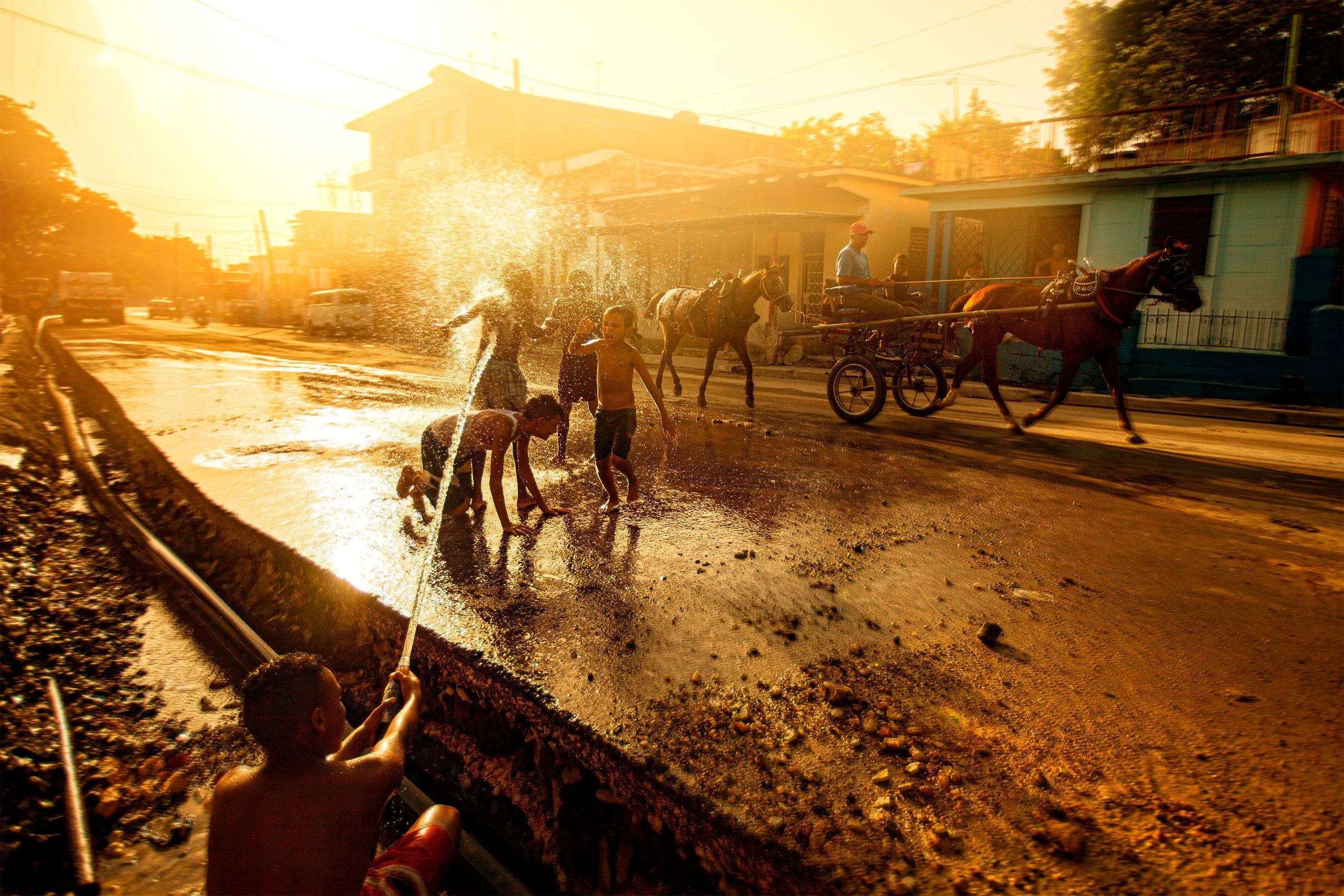
Adam Docker
Motion and Emotion is a compelling collection exploring identity, intimacy, and presence. Spanning portraits, cultural documentary, and conceptual imagery, the work captures fleeting moments often overlooked, revealing quiet beauty in the everyday. Invites viewers to pause, reflect, and immerse themselves in moments suspended in time
Adam Docker is a London-based cinematographer and portrait photographer whose work explores movement, atmosphere, and emotional presence. With over 25 years’ experience and projects spanning more than 90 countries, his photography is shaped by a cinematic eye and a deep curiosity for human stories, intimate moments, and unscripted encounters. Blending available light, subtle artificial lighting, and movement, his portraits aim to “catch something in the act and see how it becomes something else.”
His work has been widely recognised, including British Journal of Photography’s Portrait of Britain Winner (2021 and 2025) and Portrait of Humanity Winner (2021 and 2023), LensCulture Finalist 2024 and Independent Photographer Finalist 2023
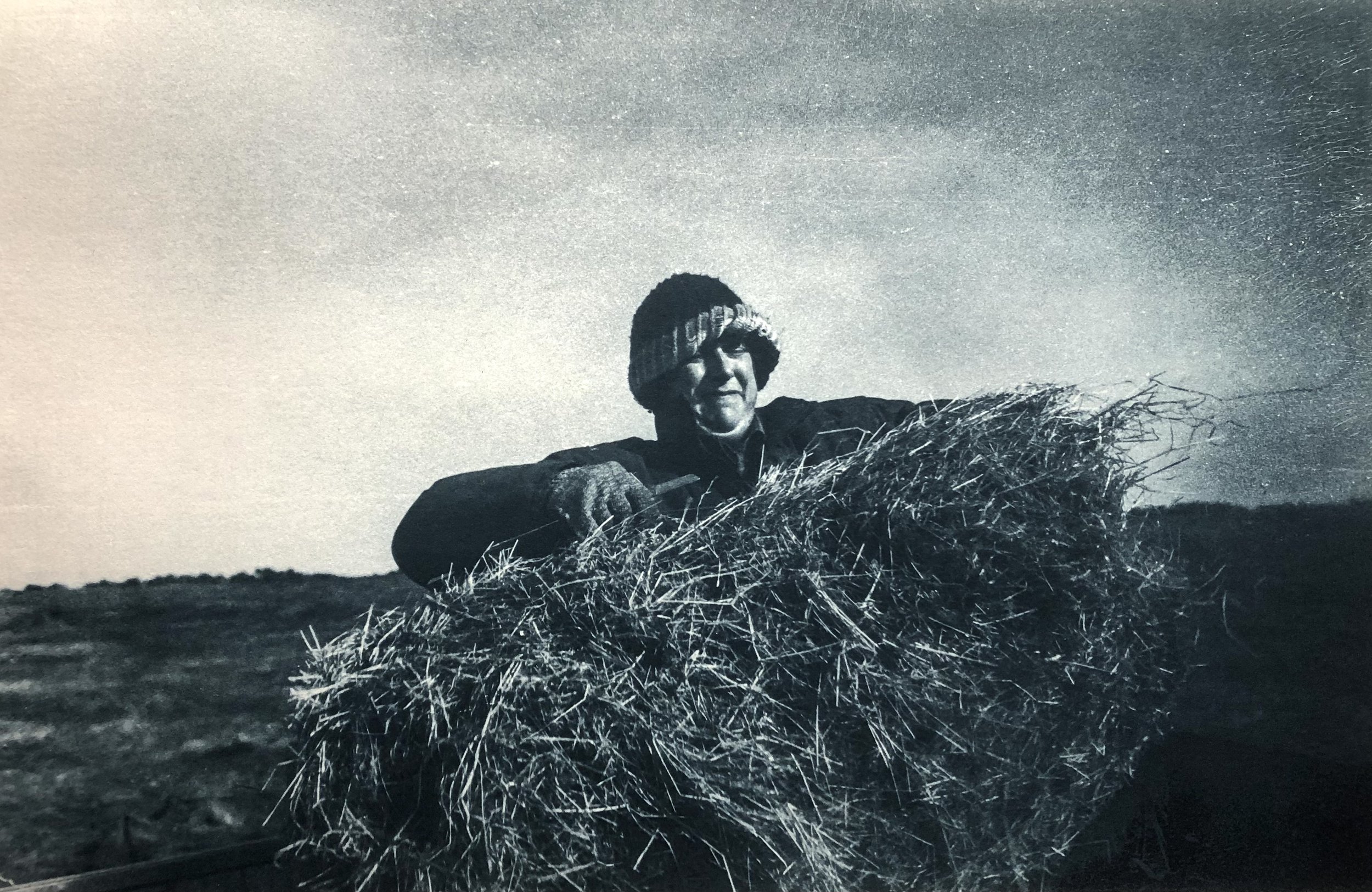
Kate Bellis
Earth Bound portraits, created through hand printed cyanotype processes and richly toned with natural materials gathered from the land from oak galls, earth and botanicals. She reveals the deeply rooted lives of farmers, quarry workers and stone masons who shape and sustain the earth beneath our feet. Her images fuse human presence with the very soil and geology of the Derbyshire landscape.
Kate Bellis grew up on a small farm in Devon before studying photography at Nottingham Trent University, graduating in 1991. An early award from the Observer Young Photojournalist of the Year led to extensive travel, often focusing on communities whose lives are closely bound to the land.
Since settling in Derbyshire in the late 1990s, Bellis has concentrated on long-term projects with hill-farming and rural communities, including the widely exhibited Gathering. She has published three books On the Edge, Gathering and HILL and her work has appeared in numerous national and international publications. She lives and works in the Derbyshire Peak District.
Kate’s EarthBound Cyanotype work is now being acquired by the Tyng Foundation, within the Royal Photographic Society’s permanent collection and will be held at the V&A, a record of the important working lives that shape the Peak District Landscape
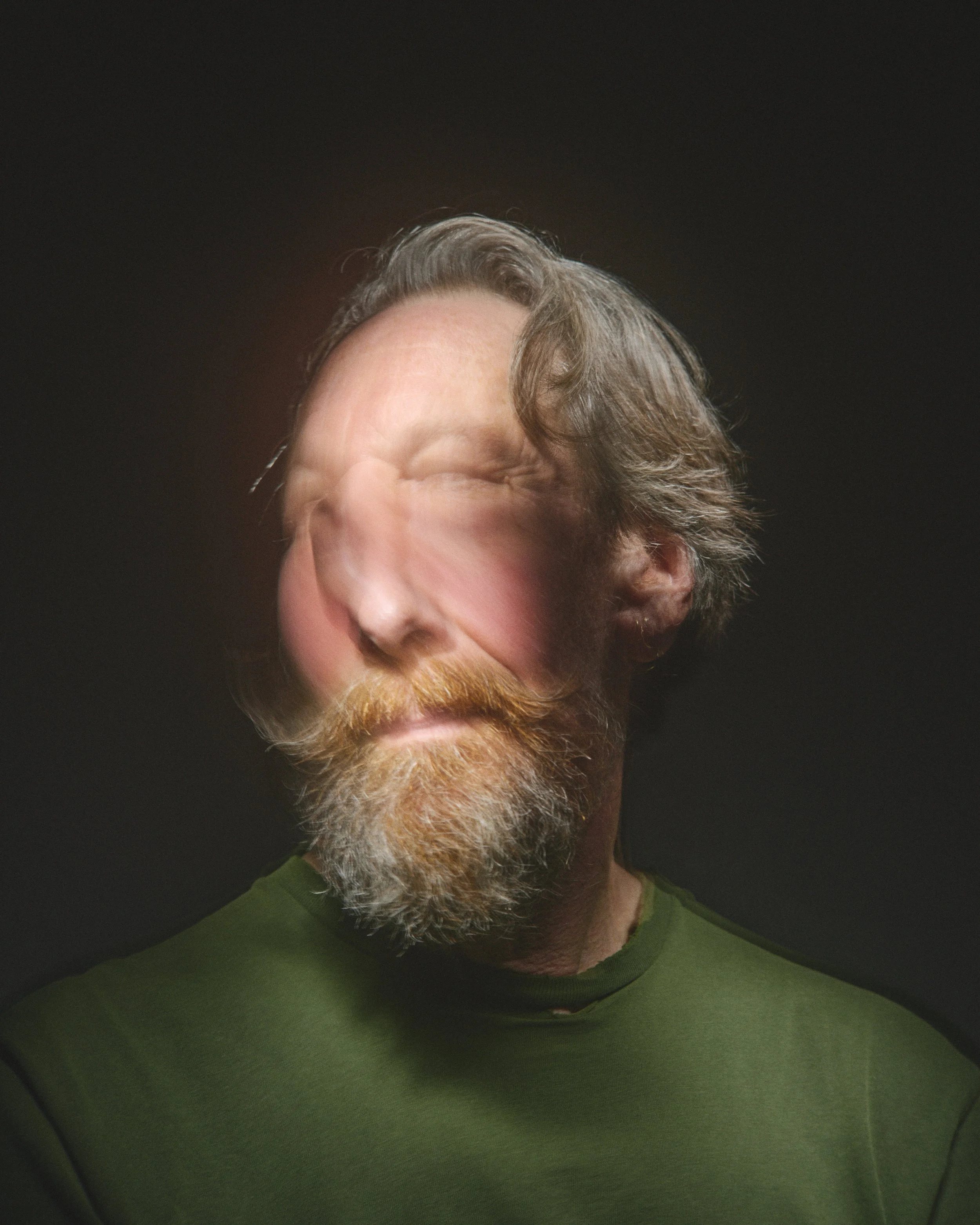
Adrian Lambert
‘Antumbra’
This series of portraits unifies psyche and skin, revealing the person from the depths to the surface.
According to psychoanalyst Carl Jung, a person is a combination of the ideal self which we openly share, and the shadow self which we mask and project onto others to prevent being found out as imperfect. He concluded that to find authenticity we must integrate the ideal with the shadow. These photographs are mandalas for the shadow in all of us.
Adrian Lambert is a Glossop based two time British Journal of Photography Portrait of Britain winner. He has exhibited in the UK, Australia and The Netherlands. He makes photographs in response to the minor traumas and human predicaments from which the big issues of our time emerge.
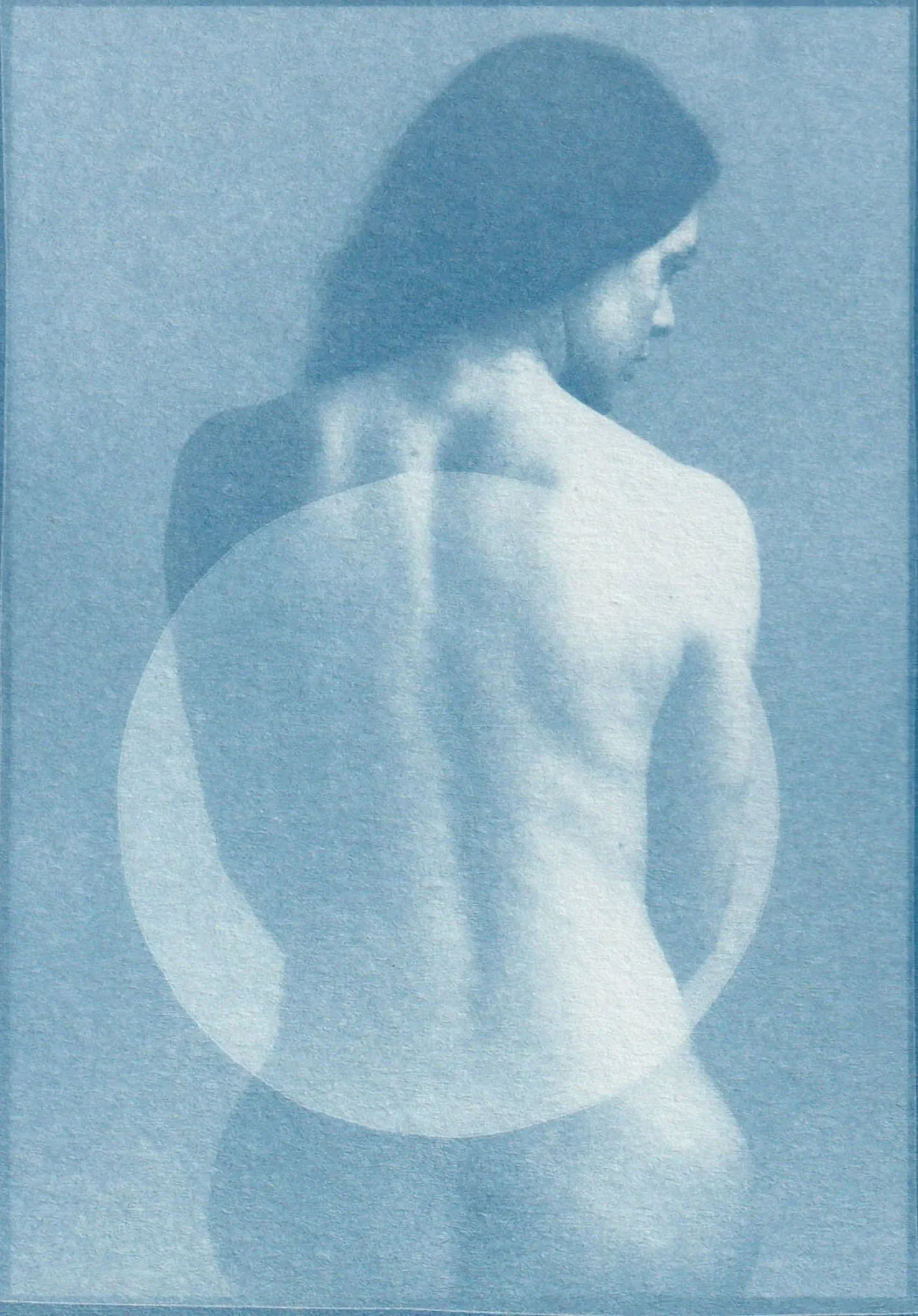
Lucy Ridges
‘Shallows’ uses a method of layered cyanotype printing to create double exposures, drawing on images from Lucy’s archive, both old and new. Within the work, the identity of the model is intentionally obscured, allowing the images to function as reflections not only of the artist but also of the wider audience. The layering process, built up gradually over time, mirrors the way memory, presence, and perception intertwine, inviting viewers to pause, reflect, and uncover unexpected connections.
Lucy Ridges is a visual artist and photographer based in Macclesfield, specialising in analogue photography and traditional mark-making. Over the past decade, her work has explored representations of the female form through experimental processes including cyanotype printing, multiple exposure, photopolymer gravure, and hand colouring. Her practice examines the relationship between the human body, nature, and the cosmos, embracing the tactile, unpredictable qualities of analogue methods.
Lucy holds an MA in Photography from Manchester Metropolitan University and a BA (Hons) in Fine Art from the University of Central Lancashire. She lectures in Photography at the University of Salford and has exhibited widely across the UK, including at The Lowry, HOME Manchester, Bankley Gallery, and Lumen Crypt, London. She has also undertaken artist residencies in Iceland, La Gomera, the Isle of Skye, and Cornwall.
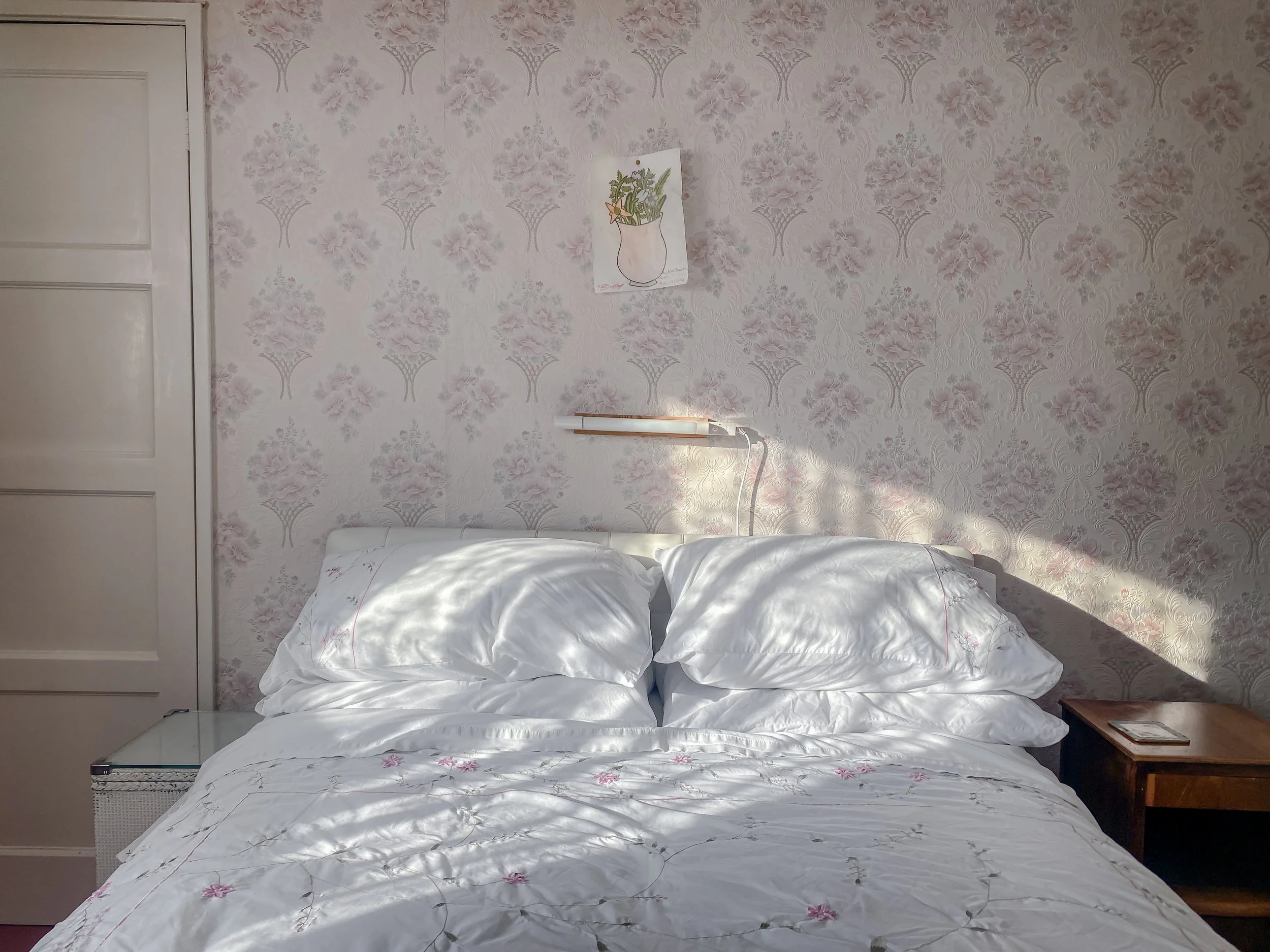
Not Quite Light
‘65, Thanet Road’
This work reflects on the role of place in shaping identity, focusing on the artist’s grandmother’s house in Hull, the city where Not Quite Light lived during early childhood. Held within the family since 1958, the house functioned as a constant point of return, anchoring personal and collective histories. Its loss marked a shift in the artist’s relationship to the city of their birth.
Made following the grandmother’s death, and before the house was sold in 2024, the images are accompanied by a soundscape of recordings from within the home. Familiar domestic sounds linger, evoking how places we grow up in continue to shape memory and identity long after they are gone.
Not Quite Light is an artist based at Islington Mill, Salford, whose practice explores themes of transition and regeneration in the half-light of dawn and dusk. Established in 2015, the project often examines the changing urban landscapes of Manchester and Salford during periods of rapid transformation, working across photography, film, text, sound, music, and performance. His work has led to major commissions, exhibitions, a book, and an award-winning festival.
His work has appeared in publications including Elle, The Observer, Der Spiegel, and The Saturday Telegraph Magazine, and has been exhibited in the UK, China, Hong Kong, Germany, and France. He also hosts regular twilight photowalks, workshops, talks, and a monthly in-studio performance combining music, spoken word, and projections.
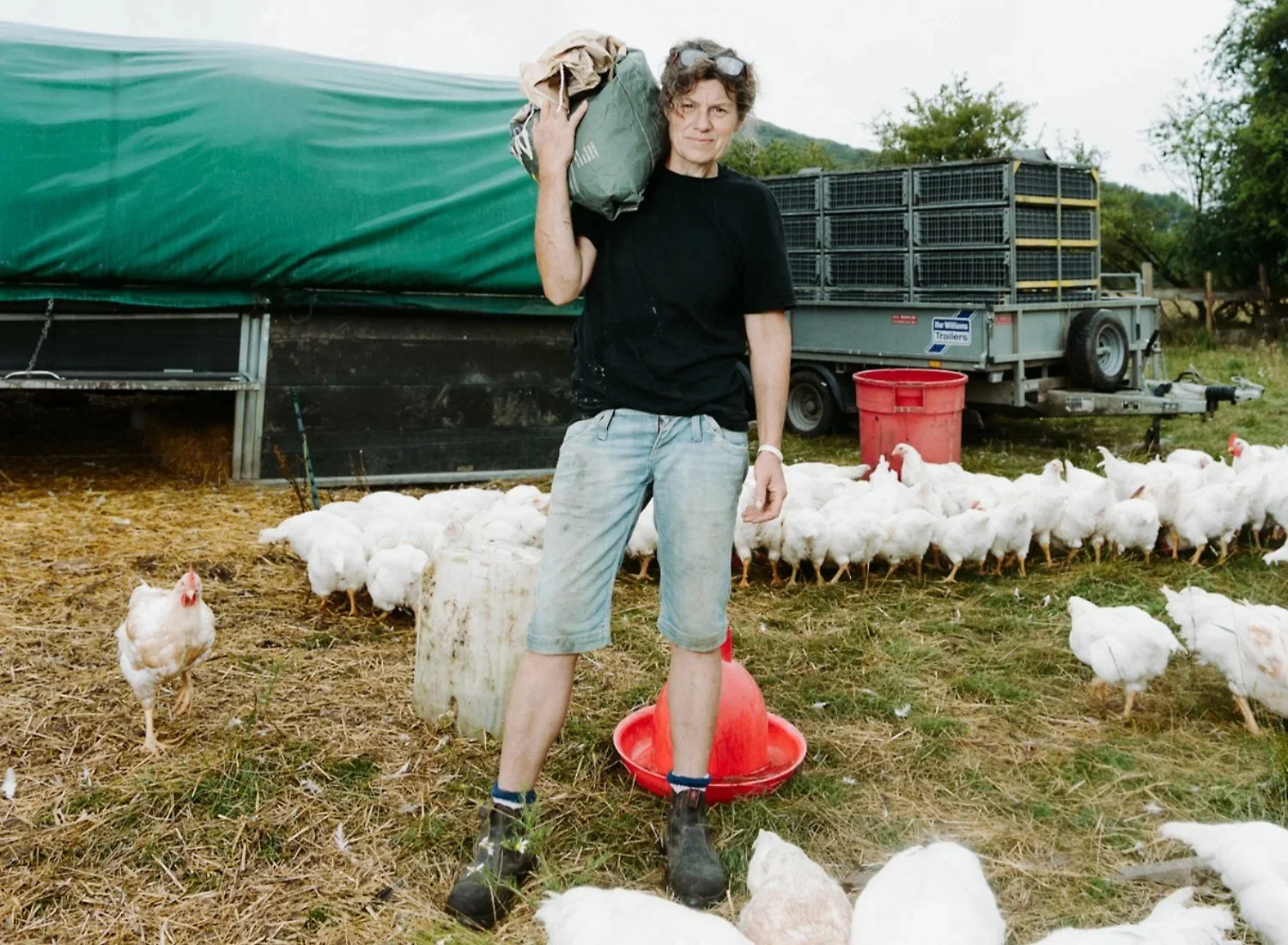
Kat Wood
Beyond The Fields is a photographic project that celebrates and documents the resilience of twelve women farmers from the North of England. Through large-scale portraits and accompanying narratives, the project sheds light on the precarious realities of northern farming, particularly the growing need for women to diversify their livelihoods by pursuing second careers outside agriculture to sustain their land and communities.
Kat Wood is a multidisciplinary fine art photographer and analogue artist whose work explores the deep ties between rural life, traditional practices and alternative photographic processes. Trained in Fine Art Photography at The Glasgow School of Art and the Academy of Fine Arts Vienna, she has exhibited widely in the UK and internationally, including solo shows and projects that reflect on hill farming, land stewardship and craft-based image making. Wood’s practice often involves sustainable and experimental techniques, connecting photography with community, landscape and material culture.
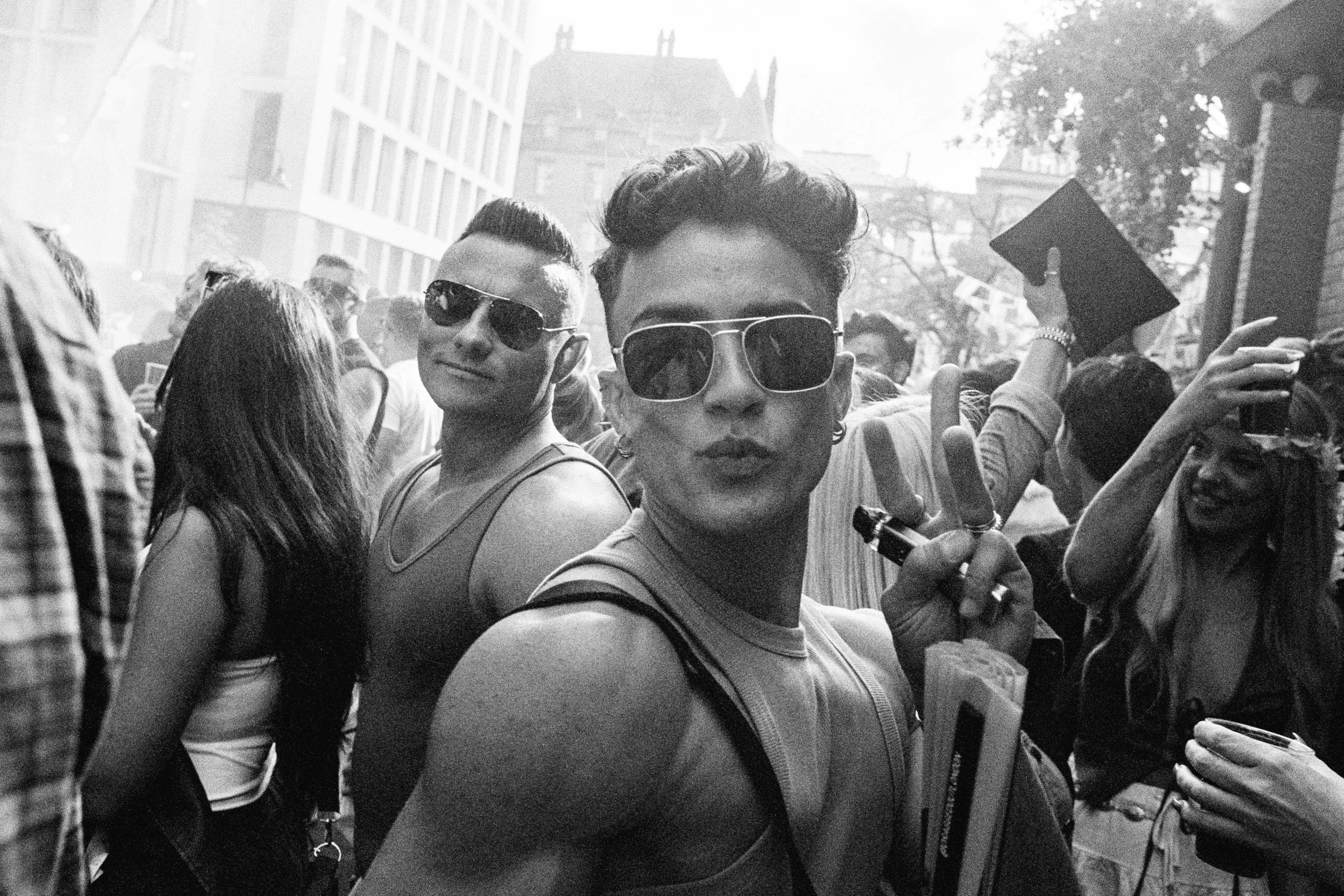
Robert John Watson
Pride : These photographs, made at Manchester Pride over several years, focus on the intimate moments at the edges of the crowd rather than the spectacle of the parade. Working observationally in analogue film, the series captures fleeting gestures of vulnerability, connection, and ease in public space. The work invites us to see Pride not as a single event but as the everyday presence of people living openly as themselves.
Robert John Watson is a British photographer with a gift for capturing the unvarnished beauty of everyday life. Armed with his Leica, Watson documents fleeting moments that reveal the raw depth of human emotion and the quiet complexity of urban existence. His work is defined by a rare honesty and a commitment to being exactly where he needs to be when it matters most.
Watson works from his studios and darkroom based in the North West of England and is represented in London by Albumen Gallery and in Manchester by Saul Hay Gallery.
Kathryn McGeary
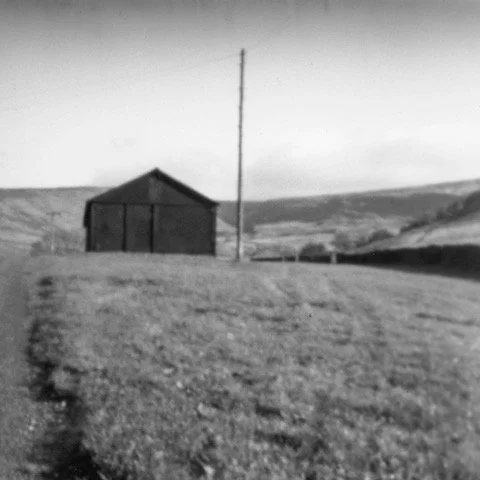
Our Clouded Hills explores themes of belonging, heritage, and identity through the landscapes surrounding Glossop. Rooted in generations of connection to this place, the work reflects an enduring relationship between land, memory, and lived experience.
Using analogue film and pinhole photography, the series captures the quiet persistence of time and the landscape’s role as an active storyteller. Part of a wider enquiry into impermanence and slow imagemaking, the work considers how memory and place intertwine beyond the speed of the digital age.
Kathryn McGeary is an emerging fine art photographer from Glossop whose work explores nature, memory, and emotion through analogue and alternative processes. Drawing on historical techniques, she creates ethereal, painterly images that invite reflection on impermanence and quiet resilience. Kathryn holds a First Class BA in Photography from London Metropolitan University, is a two time AOP Student Award finalist, and has exhibited nationally and internationally.
Grace Taylorson Smith Pritchard
The Bride of Mont Blanc
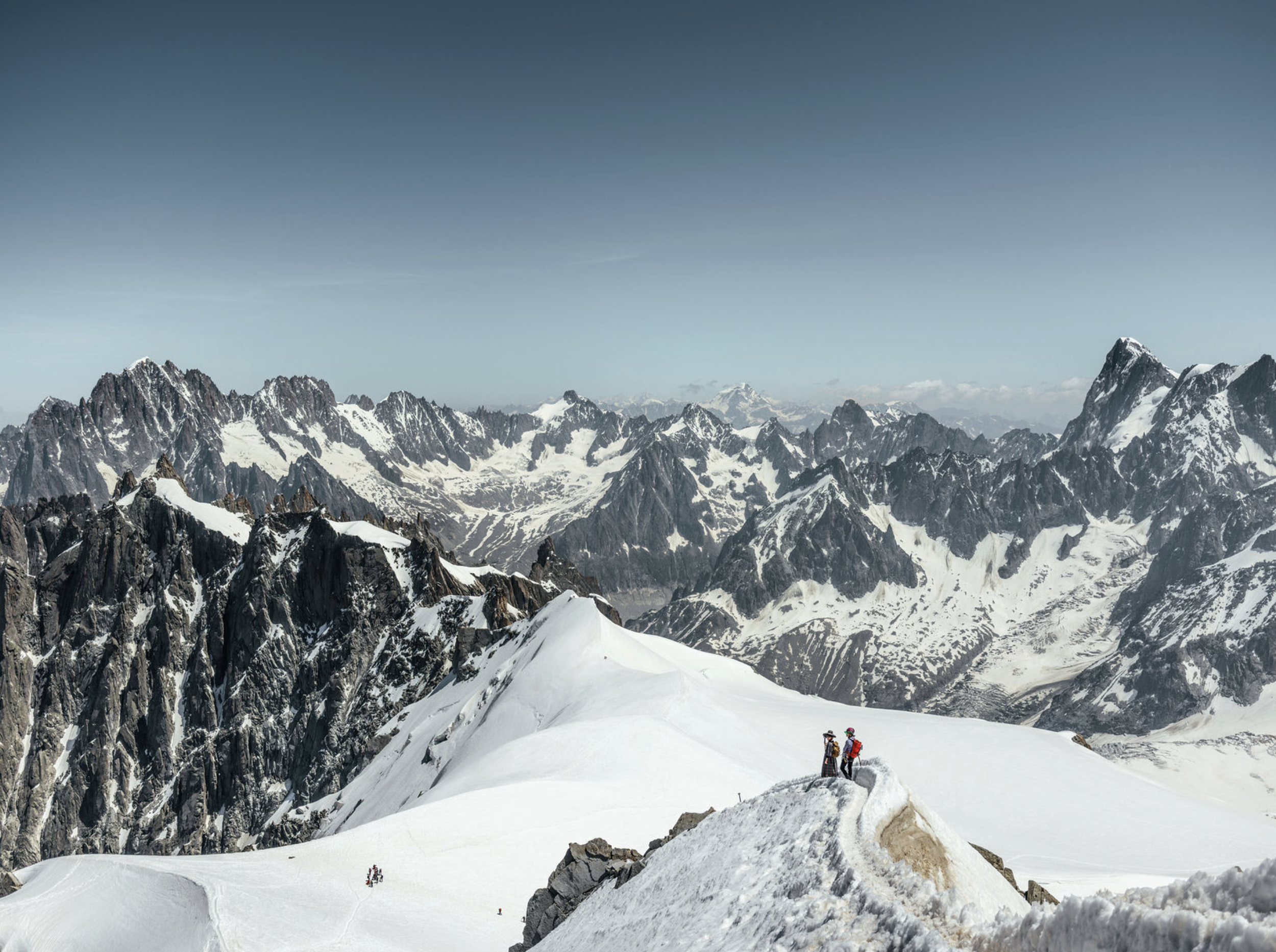
In a profound act of historical resurrection, modern day adventurer Elise Wortley straps on her 19thcentury hobnail boots and bonnet to celebrate history’s forgotten female explorers, whose absence from history continues to have knock on effects today.
Armed only with the gear available to Henriette d’Angeville in 1838, Elise attempts to recreate the first female ascent of Mont Blanc Europe’s most iconic peak to understand the lack of female representation in the the mountains. In doing so she also explores her own relationship with the outdoors and how its impacted a long battle with debilitating anxiety.
This photography series was shot during the production of a short documentary about Elise's journey.
Grace T.S.P is an award-winning adventure photographer and filmmaker, celebrated for capturing human driven stories in extreme and remote environments. From ice climbing in the French Alps to documenting Sumatran rangers and exploring Red Sea shipwrecks, her work highlights skill, resilience, and passion.
Her recent films, including The Bride of Mont Blanc and The Horsemen of Mallorca, have earned international acclaim and multiple awards. Alongside narrative-driven projects, Grace produces commercial work for global brands and is an internationally published photographer.
EMERGING PHOTOGRAPHERS EXHIBITION
Also hosted in the Old Town Hall, the exhibition features early career photographers, previous open call participants, and long practicing photographers presenting work for the first time. It includes a range of contemporary practices, from traditional approaches to innovative methods such as drone photography.
The works explore themes of identity, reflecting how personal experience, memory, and place shape who we are. Together, these voices create fresh perspectives on photography, offering a platform for discovery, reflection, and engagement with both new and underrepresented talent.
Green Space
Andy Procter
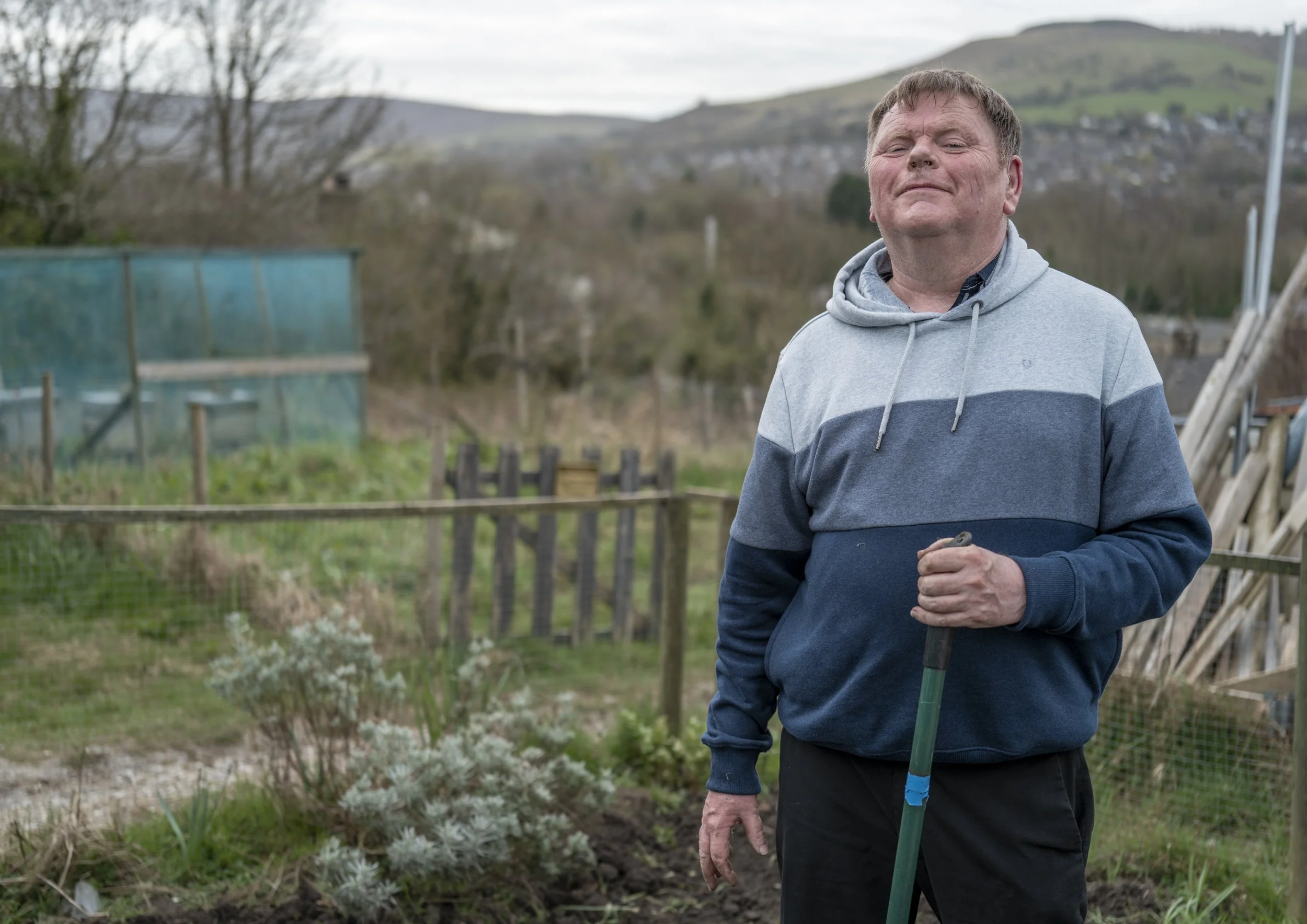
This photographic project is by a photographer and retired consultant psychiatrist, drawing on professional insight into how meaningful activity particularly in green space can enhance mental health and wellbeing.
Created in collaboration with the Glossop Community Allotment as part of the Be Well initiative, the work documents structured, social activity supporting disadvantaged and vulnerable adults.
The project explores identity beyond diagnosis. Within the shared green space of the allotment, participants are seen through their actions collaborating, cultivating, and tending their plots rather than through labels or circumstance.
Over the Garden Wall
Dave Bennett
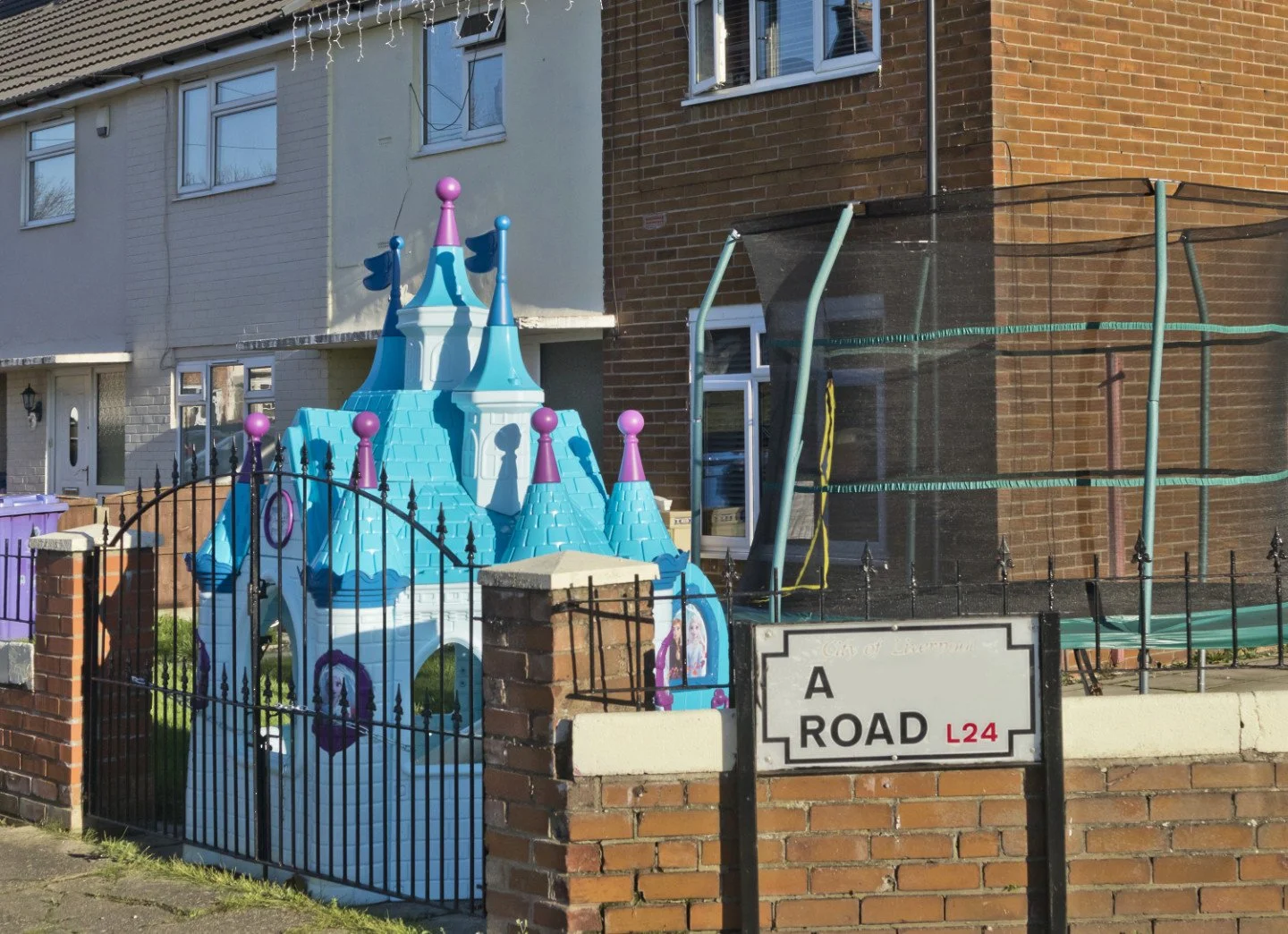
This project was selected from various walks taking photographs across northern England. ‘Over the Garden Wall’ is an observation of how some gardens become an extension of the residents' Identity. This creates a dialogue on how the places we live by choice or circumstance, and how it becomes part of our identity.
Bennett is a photographer based in the area around Manchester, in the United Kingdom. has worked in Photography and Education for over twenty five years. He has worked on commissions and collaborations supporting the creative community. His pictures have been exhibited in the UK and internationally in the USA & Europe.
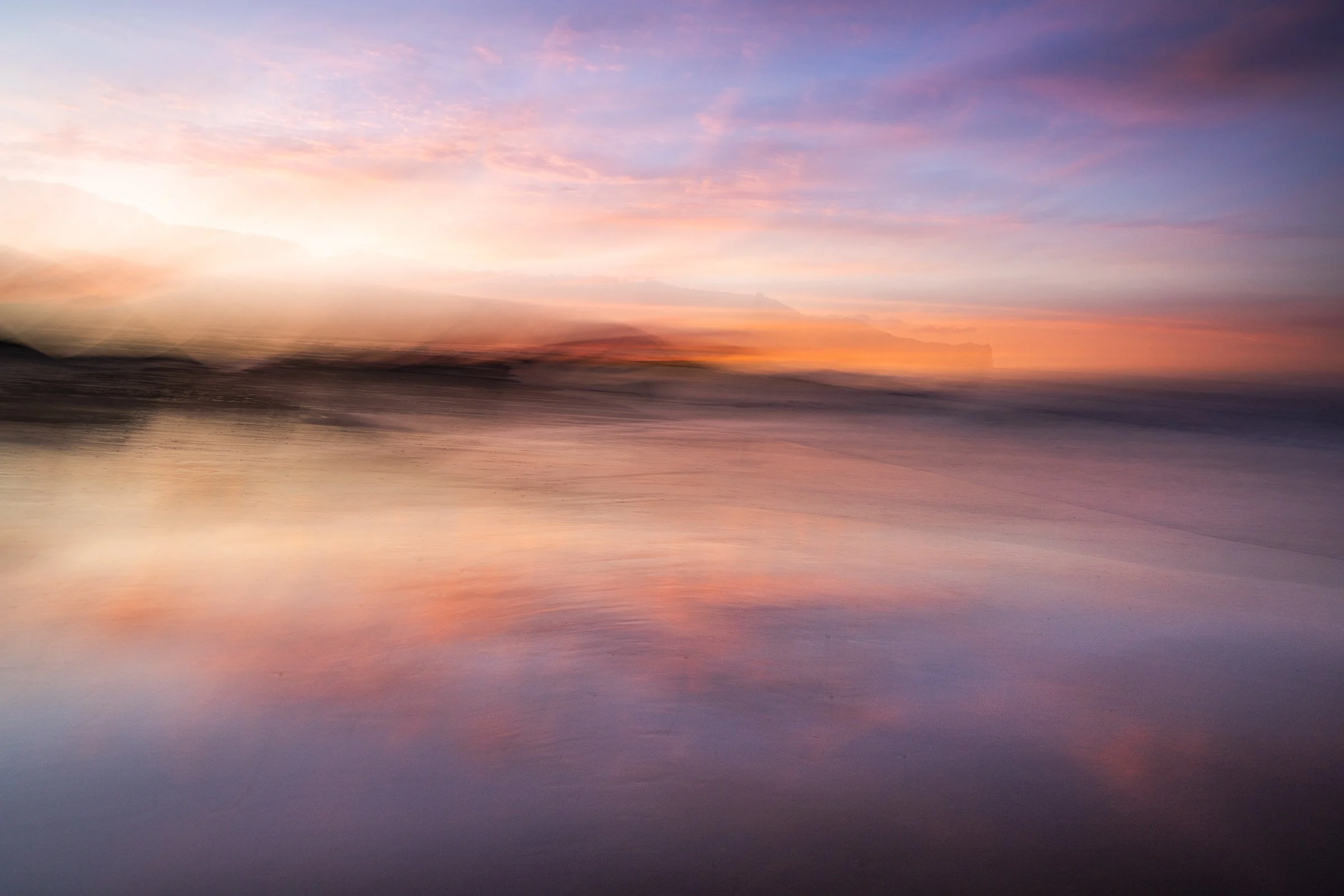
Sandsend
Paula Wilks
Created over twelve months along the English coastline, this series explores the shifting identity of the sea at once powerful and calm, constant and ever changing. Drawn to the restorative atmosphere of coastal landscapes, the work focuses on light, movement, and the rhythm of the tide, particularly in the moments just after sunset when colour and form begin to soften.
Using Intentional Camera Movement (ICM), the images move beyond literal representation to evoke the sea’s fluid character. Through varied shutter speeds and directional motion, each photograph reflects the layered, expressive identity of the shoreline capturing not just how the sea appears, but how it feels.
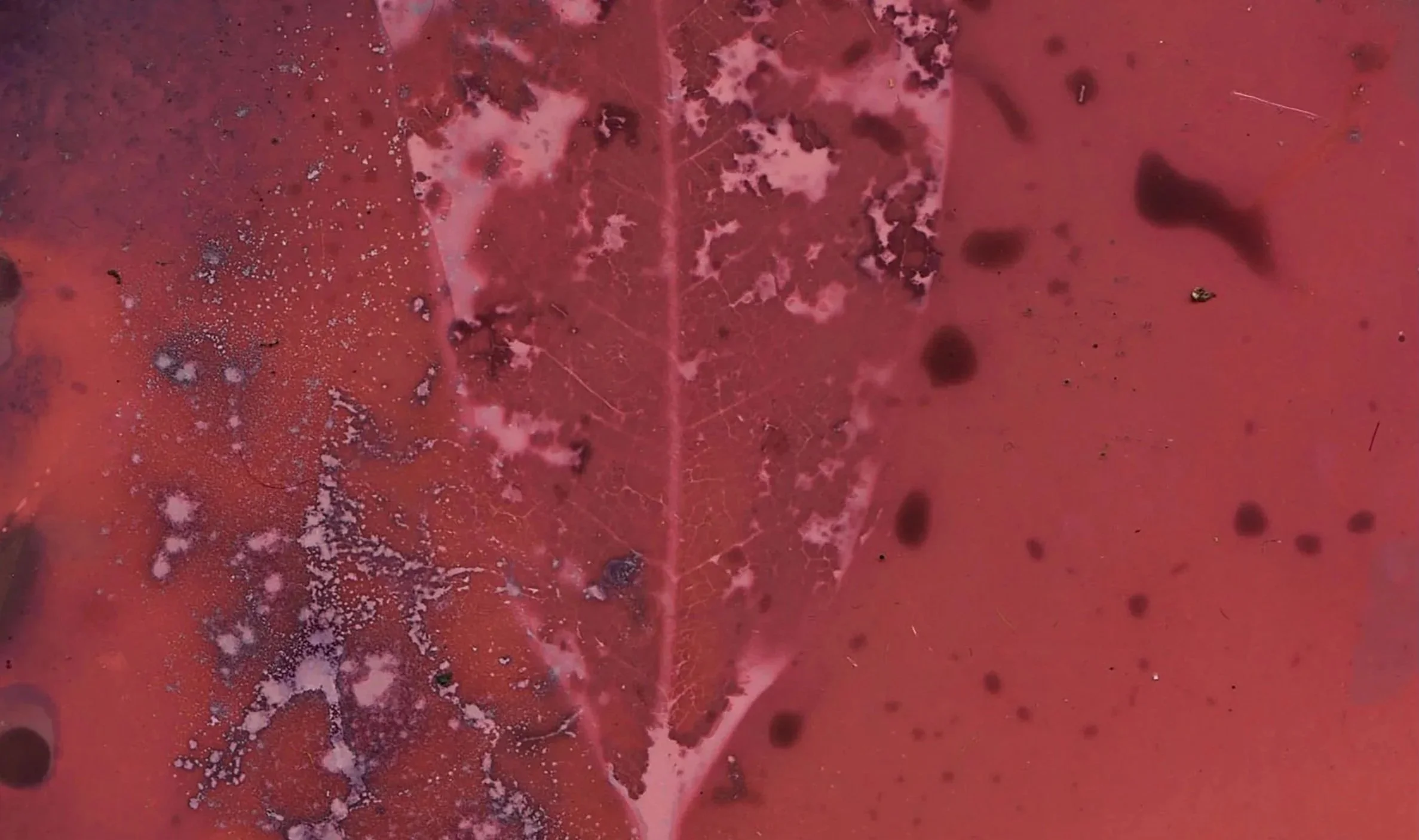
Rooted Identity
Cath Stanley
This exhibition presents a series of small anthotypes by Manchester based photographer and educator Cath Stanley. Rooted in her love of nature and her own garden, the works are created using plant based emulsions and sunlight, allowing natural pigments to form delicate, time sensitive images.
Working with experimental, analogue processes, Stanley embraces slowness, chance, and collaboration with the natural world. These intimate pieces reflect her deep connection to landscape and ecology, where garden, environment, and photographic process become inseparable an approach that sits at the heart of her creative identity.
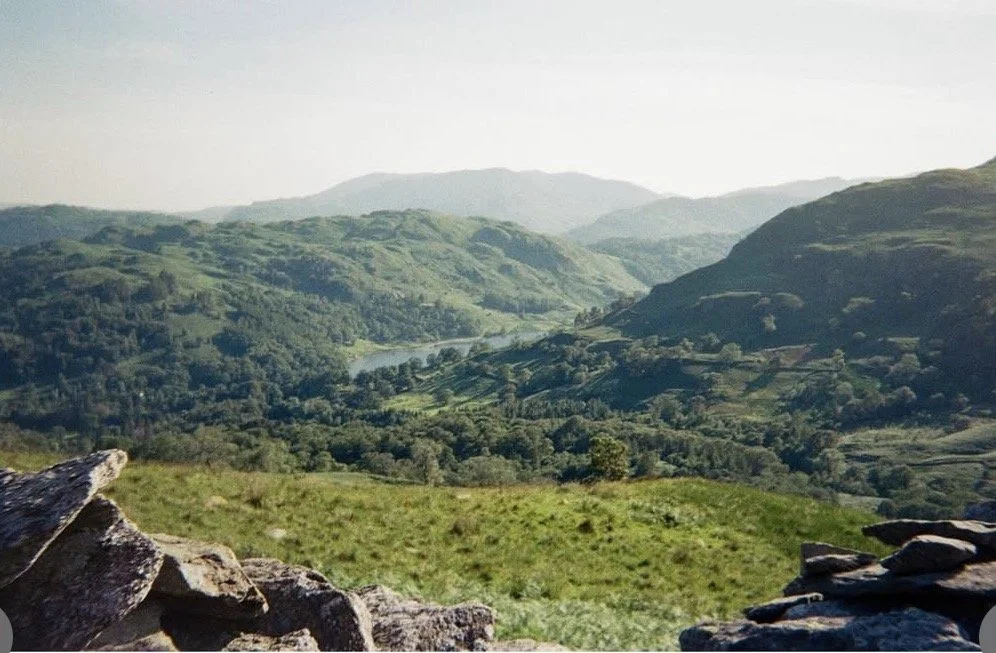
National Park Identity
Andrew Webster
Exhibition focuses on the identity of National Parks, examining how each location carries its own character through topography, flora, fauna, and atmosphere. Shot entirely on film, the work spans the UK’s Peak District and Lake District, the national parks of Spain, and iconic American landscapes including Yosemite and Joshua Tree National Park in California. Even for viewers who have never visited these places, the images offer a sense of their distinctiveness revealing how no two parks share the same visual or emotional language.
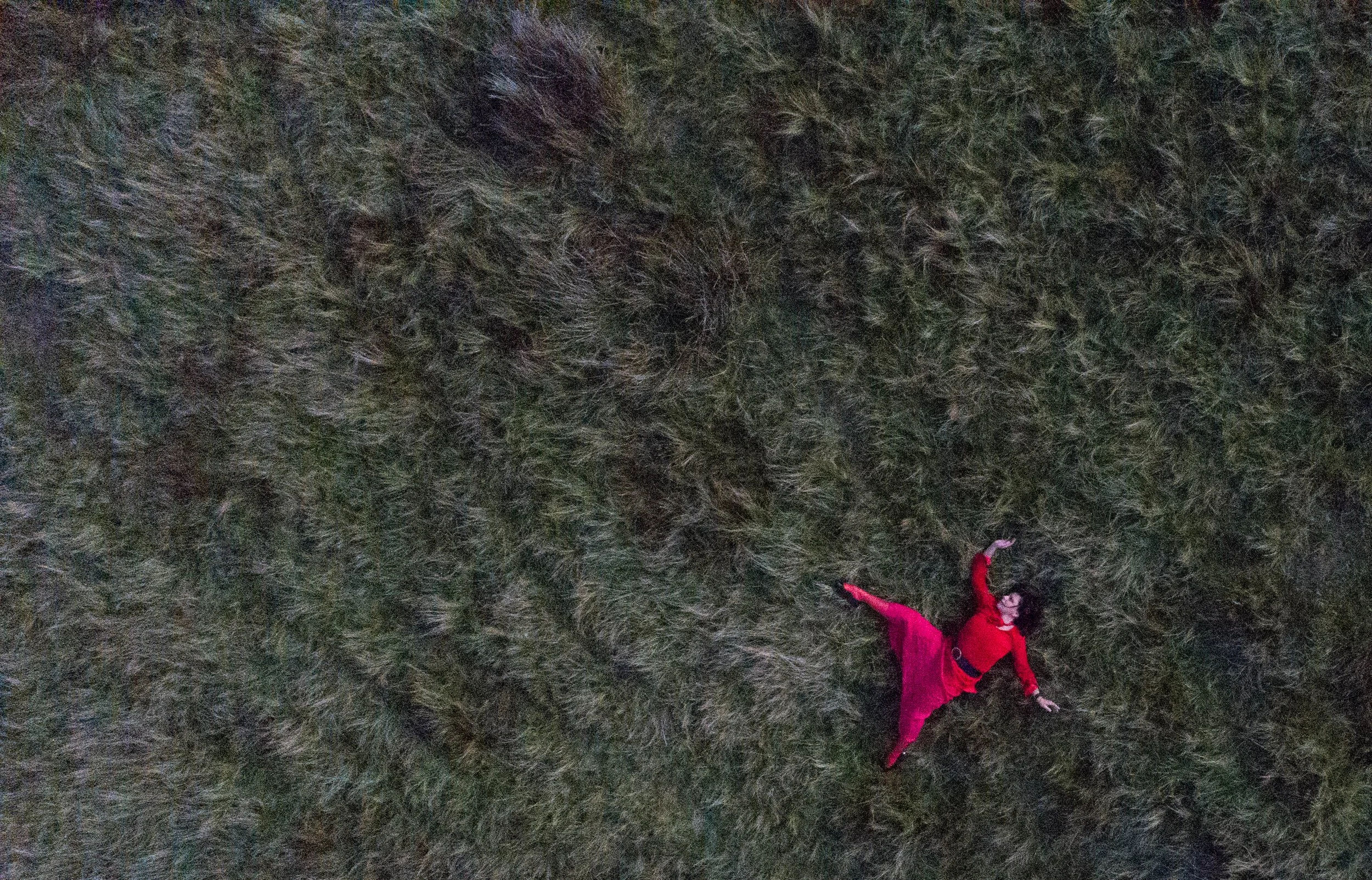
A Girl From Above
Carys Kaiser
Portraits for female empowerment
Carys initially started capturing landscapes by drone and then people. Her A Girl from Above series started in 2017 and each spring and summer she works with women to create portraits that they actually like of themselves, often approaching the most camera shy people and helping them over come body shame and anxiety surrounding their personal image in photographs. Focusing on finding textured backdrops of land as part of the image and thinking of creative storytelling, about characters be it the sitter or a story of the landscape.